Postingan

Menampilkan postingan dengan label Culture

Soto Ayam: A Delicious Indonesian Chicken Soup

Gambar
Soto Ayam is a traditional Indonesian dish that has gained popularity not only in Indonesia but also in Singapore and Malaysia. This flavorful chicken soup is a beloved comfort food that is perfect for any occasion. Let's explore the deliciousness of Soto Ayam! Soto Ayam is made using a combination of ingredients such as chicken, lontong (rice cakes), noodles, and rice vermicelli. The chicken is usually simmered in a flavorful broth made from various spices and herbs, giving it a rich and aromatic taste. The dish is often served with a variety of condiments and garnishes, such as fried shallots, sliced boiled eggs, lime wedges, and fresh herbs like cilantro and green onions. These toppings add a burst of freshness and enhance the overall flavor of the soup. Soto Ayam is known for its versatility, as it can be customized according to personal preferences. Some variations include adding coconut milk to the broth for a creamier texture or using different types of noodles like egg nood...

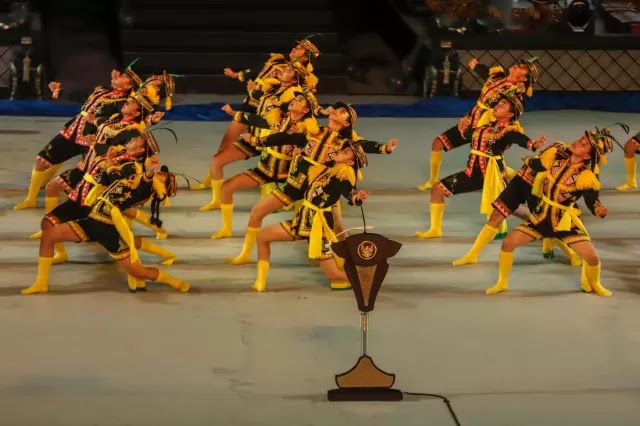
Tempe: An Intangible Cultural Heritage Recognized by UNESCO

Gambar
  Tempe, a traditional fermented food from Indonesia, has gained recognition and is now listed as an Intangible Cultural Heritage by UNESCO. This recognition highlights the cultural significance and value of tempe as a culinary tradition that has been passed down through generations. In this article, we will explore the history, production process, and health benefits of tempe, as well as its journey to becoming a UNESCO-recognized cultural heritage. History of Tempe: Tempe has a long history in Indonesian cuisine and culture. It is believed to have originated in Central Java and has been a staple food in the region for centuries. The process of fermenting soybeans to create tempe has been passed down through generations, with each family having their own unique methods and recipes. The cultural significance of tempe lies in its connection to Indonesian identity and the preservation of traditional culinary practices. Production Process: Tempe is made through a natural fermentation ...

Tari Dolalak: History, Function, Costumes, and Movements

Gambar
Tari Dolalak, also known as Dolalak Dance, is a traditional dance from Purworejo Regency, Central Java, Indonesia. This dance has an interesting history and is a result of cultural acculturation between Dutch and local culture. Here is some information about Dolalak Dance: History of Dolalak Dance: Dolalak Dance emerged during the Dutch colonial period in Indonesia. The dance was inspired by the behavior of Dutch soldiers when they rested in their camps. During that time, Dutch soldiers often danced and sang to entertain themselves. This dance was then adopted by the local community and became part of Purworejo's culture. Function of Dolalak Dance: Dolalak Dance serves various functions in society. Firstly, it is used as entertainment among the community. Dolalak dancers perform energetic and entertaining movements. Additionally, this dance is often used as a welcoming dance for guests in the government sector. Dolalak Dance symbolizes the hospitality and cultural beauty of Purwore...

here is an article about Kanjeng Ratu Kidul

Gambar
In Javanese mythology, Kanjeng Ratu Kidul is believed to be the creation of Dewa Kaping Telu. She is known as the Goddess of Rice (Dewi Sri) and other nature goddesses. Kanjeng Ratu Kidul is considered a sacred spirit with noble and kind-hearted qualities. She is said to originate from the heavens. Kanjeng Ratu Kidul is often associated with the southern coast of Java, particularly the Indian Ocean. She is believed to be the ruler of the ocean and has the power to control the waves and currents. Many people believe in her mystical powers and consider her as the Queen of the South Sea. Legend has it that Kanjeng Ratu Kidul is a beautiful and enchanting goddess who resides in her underwater palace called "Puri Karaton." It is said that she often appears in the form of a mermaid or a beautiful woman wearing a green dress. According to popular belief, those who see her may be blessed with good fortune, but they must also be cautious as she can be unpredictable and demanding. Kanj...

Here's an article about Keraton Yogyakarta

Gambar
  The Kraton, Reflection of Javanese Cosmos - Indonesia Travel: The Kraton, also spelled keraton or karaton, is a grand complex that was meticulously planned to reflect the Javanese cosmos. It is the Palace of Yogyakarta, a place of great historical and cultural significance. The Kraton showcases the rich heritage and traditions of the Javanese people, making it a must-visit destination for anyone interested in Indonesian history and culture. Keraton Yogyakarta – A History of Everlasting Kingdom - Tropilogy: If you want to know more about Keraton Yogyakarta, this article will give you a better understanding of the palace and its complex. The Keraton is a symbol of the everlasting kingdom of Yogyakarta, representing the rich history and cultural heritage of the region. It is a place where tradition and modernity coexist, offering visitors a glimpse into the past while embracing the present.Yogyakarta Palace Keraton : A Live History of Culture and Art - Pamitran Tours: Keraton Yogyak...

Keraton Yogyakarta: A Majestic Palace Reflecting Javanese Culture

Gambar
  The Keraton, also known as the Palace of Yogyakarta, is a grand complex that holds great historical and cultural significance in Yogyakarta, Indonesia. Here are some key points to include in an article about Keraton Yogyakarta: Historical Background: The Keraton Yogyakarta was established in 1755 after the Giyanti Agreement, which divided the Islamic Mataram Sultanate. It became the seat of the reigning Sultan of Yogyakarta and his family. Architectural Marvel: The Keraton showcases traditional Javanese architecture and design. It is meticulously planned to reflect the Javanese cosmos, with its layout and structures symbolizing various aspects of Javanese culture and beliefs. Cultural Center: The Keraton is not only a royal residence but also a center of Javanese culture. It houses a museum that displays royal heirlooms, artifacts, and artworks, providing insights into the rich cultural heritage of Yogyakarta. Traditional Ceremonies: The Keraton is the venue for various tradition...

Tugu Yogyakarta: A Historical Landmark in the Heart of Yogyakarta

Gambar
  Tugu Yogyakarta, also known as Tugu Ngayogyakarta, is an important historical monument located in the city of Yogyakarta, Indonesia. This iconic landmark holds great significance and serves as a symbol of the city's rich history and cultural heritage. Here are some key points to include in an article about Tugu Yogyakarta: Historical Significance: Tugu Yogyakarta was built to commemorate the establishment of the Sultanate of Yogyakarta in 1755. It represents the city's deep-rooted connection to its royal past and the resilience of the Yogyakarta people. Architectural Marvel: The monument itself is an architectural marvel, standing tall at the center of a busy crossroad between Mangkubumi, Soedirman, A.M. Sangaji, and Diponegoro streets. It features a unique blend of Javanese and Dutch architectural styles, showcasing intricate carvings and ornate details. Cultural Symbol: Tugu Yogyakarta holds immense cultural significance for the people of Yogyakarta. It represents their pri...

The National Monument (Monas): A Symbol of Indonesian Independence and Unity

Gambar
The National Monument, locally known as Monas, is an iconic landmark and a symbol of Indonesian independence and unity. Located in Central Jakarta, it stands tall at a height of 132 meters and is topped by a flame covered with gold foil. Here are some key points to include in an article about Monas: Historical Significance: Monas holds great historical significance for Indonesia. It was built to commemorate the struggle for independence and the country's journey towards freedom. The construction of Monas began in 1961 and it was opened to the public in 1975. Architectural Marvel: The design of Monas is a blend of traditional Indonesian elements and modern architecture. The monument is shaped like an obelisk and is surrounded by a large square called Medan Merdeka. The base of the monument houses a museum that showcases Indonesia's history and cultural heritage. Visitor Experience: Monas is a popular tourist attraction, drawing visitors from all over the world. Visitors can take...

Lumpia A Delicious Spring roll

Gambar
  Lumpia: A Delicious Spring Roll from Indonesia and the Philippines Lumpia is a popular dish that can be found in both Indonesia and the Philippines. It is a type of spring roll that is made with thin paper-like or crepe-like pastry skin and filled with a variety of ingredients. Here are some key points to include in an article about lumpia: Origins and History: Lumpia has a fascinating history that traces its roots back to Chinese spring rolls. Over time, it has evolved and become a beloved dish in Southeast Asia. You can mention how lumpia has been influenced by native, Chinese, Spanish, and South Asian culinary traditions. Varieties: There are different types of lumpia, each with its own unique characteristics. In the Philippines, you have the classic Lumpiang Shanghai, which is filled with ground pork, carrots, and other vegetables. In Indonesia, you have Lumpia Semarang, which is filled with bamboo shoots, chicken, and shrimp. Preparation and Cooking: Describe the process of ...

The Barong Dance

Gambar
 The Barong dance is a traditional dance that originates from Bali, Indonesia. It is a captivating and significant cultural marvel. Here are some key points to include in an article about the Barong dance: Introduction: Start the article by introducing the Barong dance as a traditional dance form in Bali. Mention that the dance is performed during celebrations and religious rituals. Origin and History: Provide a brief overview of the origins of the Barong dance. Explain its historical significance and how it has evolved over time. Mention any legends or myths associated with the dance. Symbolism and Meaning: Describe the symbolism behind the Barong dance. Explain that the dance represents the eternal battle between good (Barong) and evil (Rangda). Discuss the significance of the Barong mask and its role in the performance. Dance Movements and Choreography: Describe the dance movements and choreography of the Barong dance. Explain the intricate footwork, hand gestures, and facial ex...

Saman dance from Indonesia

Gambar
  The Saman dance, also known as Tari Saman, is a traditional dance form that holds cultural significance in Indonesia, particularly among the Gayo people of Aceh province in Sumatra. Here are some key points to include in an article about the Saman dance: Cultural Heritage: The Saman dance is considered an intangible cultural heritage and is recognized by UNESCO. It is a cultural practice that is deeply rooted in the traditions and customs of the Gayo people. Origin and History: The Saman dance originated from the Gayo ethnic group in Gayo Lues, Aceh province. It has a long history and has been passed down through generations as a form of artistic expression and storytelling. Unique Characteristics: The Saman dance is known for its unique movements and rhythmic clapping. It is performed by a group of boys and young men sitting on their heels in a row. The dancers synchronize their movements, clapping, and singing to create a captivating performance. Symbolism and Meaning: The Sama...

Pinisi is a traditional Indonesian sailing ship

Gambar
 The Pinisi is a traditional Indonesian sailing vessel that holds a significant place in the country's maritime heritage. Here are some key points to include in an article about the Pinisi: Origins and History: The Pinisi has a long history that dates back centuries. It originated in South Sulawesi, an island in Indonesia known for its skilled boat builders. The construction and deployment of Pinisi boats have been an integral part of the local culture and economy. Design and Construction: The Pinisi is a wooden sailing vessel characterized by its unique rigging and sails. It typically has two masts and can range in size from small fishing boats to large cargo vessels. The construction of Pinisi boats involves traditional techniques passed down through generations, with skilled craftsmen using local materials such as teak and ironwood. Function and Use: Pinisi boats have been traditionally used for various purposes, including fishing, transportation of goods, and even as warships i...

Pencak Silat is a traditional martial

Gambar
Pencak Silat is a traditional martial art form that originated in Southeast Asia, particularly in Indonesia and Malaysia. It is a full-body fighting style that incorporates strikes, grappling, throwing, and weaponry. Here are some key points to include in an article about Pencak Silat: Origins and History: Pencak Silat's exact origins are unclear, but it is believed to have developed in Southeast Asia, specifically in Indonesia and Malaysia. It has a rich history and is deeply rooted in the cultural heritage of these countries. Techniques and Styles: Pencak Silat encompasses a wide range of techniques and styles, each with its own unique characteristics. It involves both armed and unarmed combat, with practitioners utilizing various strikes, kicks, joint locks, throws, and sweeps. Philosophy and Principles: Pencak Silat is not just about physical combat; it also emphasizes mental and spiritual development. Practitioners strive to achieve balance, discipline, and self-control. The a...

Angklung is an Indonesian musical instrument

Gambar
  Angklung is an Indonesian musical instrument consisting of two to four bamboo tubes suspended in a bamboo frame, bound with rattan cords. It is a traditional instrument that holds cultural significance in Indonesia. The angklung is typically played by shaking the bamboo tubes, producing a melodic sound. The instrument has gained recognition as an intangible heritage by UNESCO. It has also been used as a tool for music education and cultural diplomacy. Teaching Indonesian angklung has proven to be an effective way to promote cultural understanding and appreciation. The angklung is of Javanese origin and is made entirely of bamboo. The bamboo tubes are loosely supported in a frame, allowing them to vibrate and create sound. The instrument can be played individually or in an ensemble, creating harmonious melodies. One unique feature of the angklung is the sliding rattle. This rattle consists of several tuned bamboo tubes with cut-back tongues, inserted into a frame. By sliding the t...

Here's an article about batik:

Gambar
  Batik 101: Where It Comes From, How It's Made, and How to Use It in an Interior Batik fabric is a textile that has been colored using one of several different dyeing methods. The process of batik involves applying wax to the fabric in specific patterns or designs, which then acts as a resist to the dye. This allows for intricate and colorful designs to be created on the fabric. Batik has a rich history and is deeply rooted in various cultures around the world. It originated in Indonesia, where it has been practiced for centuries. The art of batik has also spread to other countries, each with its own unique style and techniques. In recent times, batik has evolved and adapted to modern trends. Traditional dyes have been replaced by chemical ones, and even the hand-written process has been replaced by more efficient methods. However, the essence of batik as a form of artistic expression and cultural heritage remains. Batik is not only used in fashion but also finds its place in inte...